





















Fabric vs Leather Sofa: Which Is Better for Indian Homes?
@freedomtreehome

The sofa is the centre of the living room. It’s where you collapse after a long day, where chai gets spilled and forgiven, where guests are received and conversations stretch into the night. It carries more of your everyday life than almost any other piece of furniture.
Which is why the choice of fabric vs leather sofa matters more than people realise. It isn’t just about material. It’s about how a room breathes through the Indian monsoon. How forgiving the cushions feel when a toddler climbs onto them with sticky fingers. How easily the sofa carries colour, story, and the unmistakable mood of your home.
At Freedom Tree, we’ve made fabric sofas for fifteen years. The honest truth, after all those years: in Indian conditions, a fabric sofa is the better choice. Better suited to the climate. Better for daily living. Better for design expression. Better for the long term.
Here’s a clear, considered look at the leather sofa vs fabric sofa question climate, comfort, durability, design, and the small everyday things that no spec sheet tells you. The kind of conversation we’d have with you over a chai break at the studio.

Quick Answer: Fabric Sofa Wins for Indian Homes
For Indian homes, a fabric sofa is the better choice and the gap isn’t even close. India’s climate is unforgiving on leather. Humid coasts, summer heat, monsoon damp, dry winter air all of it works against the surface, the seams, and the structure of a leather sofa. Fabric, by contrast, breathes with the seasons. It stays cooler in summer, drier in the monsoon, warmer in winter. It’s more comfortable to sit on, easier to maintain, more affordable, and far more forgiving with children, pets, and the everyday business of living.
That said, leather sofas have their own appeal and remain a preferred choice for many homeowners. Known for their premium look, durability, and timeless elegance, leather sofas work particularly well in modern, contemporary, and formal interiors. They can be an excellent option for those who prefer a sleek aesthetic and are willing to follow the recommended care and maintenance routine. Ultimately, while fabric sofas may be the preferred choice for many Indian households, the right option depends on individual preferences, lifestyle, budget, and design requirements.
Fabric vs Leather Sofa: A Side-by-Side Comparison
| Parameter | Fabric Sofa | Leather Sofa |
|---|---|---|
| Indian climate fit | Breathes with the seasons, stays cooler | Premium option that performs best in well-ventilated or climate-controlled spaces |
| Comfort | Soft, warm, inviting against bare skin | Smooth, supportive feel with a more structured seating experience |
| Design range | Endless prints, weaves, colours | Offers a refined look with classic colours and premium finishes |
| Pet & family-friendly | Yes denser weaves handle daily wear | Durable surface that can be easy to wipe clean, though care may be needed to maintain its appearance |
| Maintenance | Vacuum, spot-clean, wash covers | Wipe-clean, but needs regular conditioning |
| Durability in Indian Conditions | 10–15 years; re-upholster to extend life | Highly durable when maintained according to manufacturer recommendations |
| Repair / Re-upholstery | Easy to re-upholster; frame lasts a generation | Professional repairs and reupholstery are available for maintaining a premium look |
| Price (Entry to Mid) | More affordable across the board | Generally positioned in the premium segment |
| Best Suited For | Indian homes, all rooms, every season | Formal lounges, dry climates, executive interiors |
Why Is a Fabric Sofa the Better Choice?
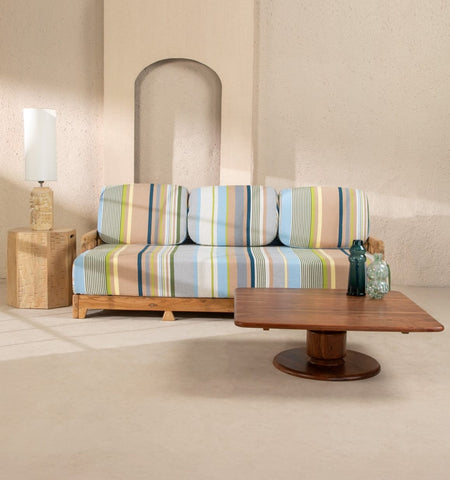
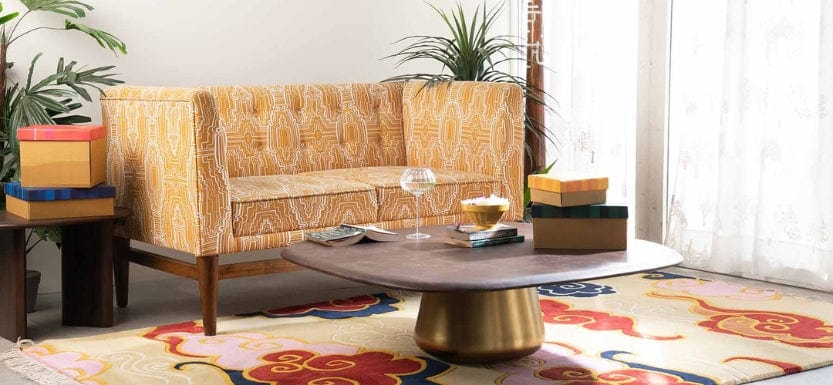
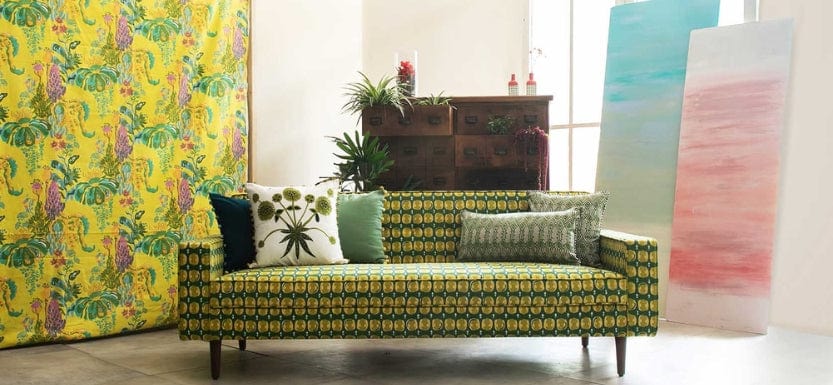
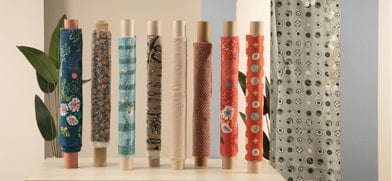
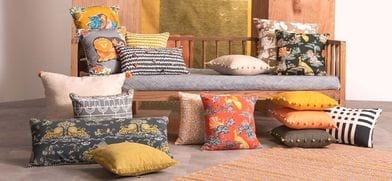
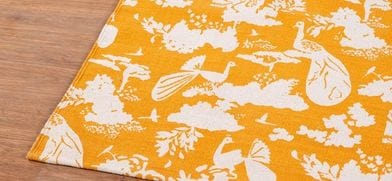
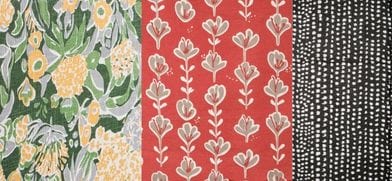
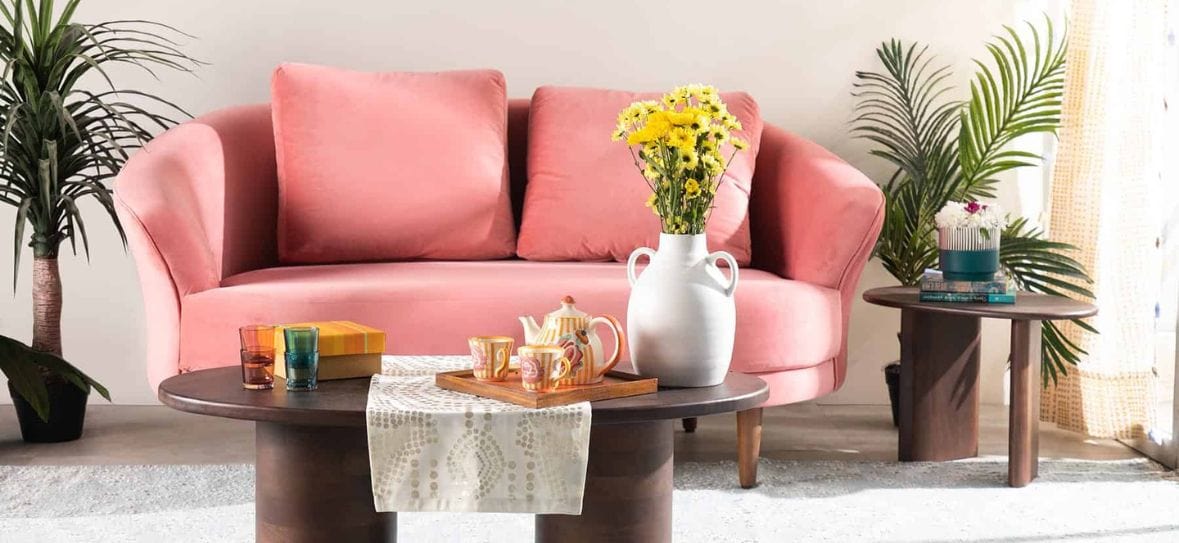
A fabric sofa is upholstered in textile cotton, linen, velvet, jute blends, wool, or a mix. The frame underneath can be anything from engineered wood to (in our case) handcrafted reclaimed teak. The fabric is the part you actually touch, sit on, and live with. So the choice of cloth matters as much as the design of the sofa itself. At Freedom Tree, our sofas are designed by our in-house studio team and upholstered in our own original prints hand-illustrated, screen-printed, and woven in India. Every fabric carries a name and a story. Each sofa can be ordered in any fabric from our archive, so two of the same design can look entirely different in two homes. A small thumbprint against standardisation and a quietly powerful one.


Fabric Sofa: The Real Advantages
- Breathable and climate-friendly stays cooler in Indian summers, doesn’t feel sticky against bare skin, and doesn’t develop mildew at the seams.
- Endless design range prints, weaves, solids, textures, and colours that leather simply cannot offer.
- Warmer, softer feel inviting in a way that polished leather rarely manages.
- More affordable across the board entry, mid, and premium price points all sit comfortably below leather.
- Easy to re-upholster a tired sofa becomes a fresh sofa in a few weeks, not a landfill statistic.
- Works in every aesthetic modern, traditional, eclectic, minimal, maximal.
- Works in every aesthetic modern, traditional, eclectic, minimal, maximal.
- Family-friendly with the right weave denser, performance-grade fabrics handle children, pets, and daily wear beautifully.


Fabric Sofa Honest Trade-Offs
- Spills need quicker attention than they would on leather.
- Heavy stains may need professional cleaning every couple of years.
- Light-coloured fabrics show wear earlier though removable covers solve most of this.
None of these trade-offs are dealbreakers. They’re just the small honest care a real living-room sofa needs. The same care you’d give any well-loved piece of furniture in the home.
Browse our sofa collection handcrafted on reclaimed teak frames, fully customisable in any Freedom Tree fabric.
Why Leather Sofas May Not Be the Ideal Choice for Every Indian Home?
Leather sofas can look beautiful in the showroom. They photograph well and bring a sophisticated, polished appearance that complements many interior styles. When comparing a leather sofa vs fabric sofa, the better choice often depends on how the sofa fits into your lifestyle, local climate, and day-to-day usage.
In Indian homes, where weather conditions can vary significantly across regions and seasons, comfort and practicality play an important role in the decision-making process. While leather sofas are valued for their premium aesthetic and durability, many homeowners find fabric sofas more adaptable to changing weather conditions and everyday family use. Ultimately, both materials have their strengths, and the right choice comes down to personal preferences, maintenance expectations, and the overall look and feel you want for your home.
Real Leather: Beautiful, but Demanding
Full-grain and top-grain leather are genuine animal hides, tanned and finished to create a premium, long-lasting upholstery material. One of leather’s most appreciated qualities is its ability to develop character over time.
Like any natural material, leather performs best when cared for according to the manufacturer’s recommendations. In regions with high heat or humidity, periodic conditioning and maintenance can help preserve its appearance and durability. For homeowners who appreciate a sophisticated aesthetic and are comfortable with the upkeep requirements, leather can be a rewarding long-term investment.It is worth noting that genuine leather sofas are typically positioned in the premium segment and often come at a higher initial cost than comparable fabric sofas. The choice ultimately depends on factors such as budget, maintenance preferences, climate, and personal style.

Leatherette (Faux Leather): A Budget-Friendly Alternative
The leatherette vs fabric sofa comparison can be close. Leatherette is a synthetic material, typically made by coating fabric with polyurethane (PU) or PVC to create a leather-like appearance. It offers the look of leather at a lower price point and is a popular choice for modern interiors. When comparing leatherette vs fabric sofa options, many homeowners consider factors such as budget, maintenance, comfort, and long-term durability. The leatherette vs fabric sofa debate often comes down to lifestyle and usage. Leatherette can be a suitable choice for those seeking a sleek, leather-inspired look at an affordable price, while fabric sofas offer a wider range of colours, textures, and patterns. In the leatherette vs fabric sofa comparison, fabric is often preferred for its versatility and ease of refurbishment over the years.
Considerations Before Choosing a Leather Sofa
- Can feel warm during hot weather, depending on room ventilation and climate.
- Requires periodic care and conditioning to maintain its appearance.
- Available in a more curated range of colours and finishes compared to fabric.
- Typically comes at a higher upfront cost than fabric sofas.
- Professional repairs and reupholstery can be more expensive.
- May show scratches or marks from pets and sharp objects more visibly.
- Leatherette models may require replacement sooner than high-quality fabric or genuine leather options.
Leather vs Cloth Sofa: A Category-by-Category Look
To answer which sofa is better leather or fabric honestly, you have to look at the categories that affect everyday life. Here’s how the two compare across the things that actually matter and why fabric comes out ahead in every one.
1. Climate & Humidity The Indian Reality
This is where the fabric vs leather sofa question is most decisively answered. Leather has a smooth, non-porous surface that offers a distinct seating experience compared to fabric. Depending on the season and room conditions, it may feel warmer in summer or cooler during rainy and winter months. In coastal cities such as Mumbai, Goa, Chennai, and Kochi, higher humidity levels can make regular care and maintenance important for preserving the appearance and longevity of genuine leather upholstery.
Fabric, by contrast, breathes. It absorbs and releases moisture with the seasons. It feels neutral against skin at every temperature, cool when it’s hot, warm when it’s cold. It’s the climate-honest choice for every month of the Indian calendar. No other material comes close.
2. Which is More Durable, Leather or Fabric Sofa?
This is the question everyone asks, and the answer is clearer than the internet suggests. Which is more durable leather or fabric sofa depends entirely on the climate. In a temperate, dry climate, full-grain leather can last twenty years. In humid, hot India, the same leather may crack, dry, or develop seam issues within eight to ten years without serious maintenance.
A well-made fabric sofa on a solid wood frame, with a dense weave and good cushion fill lasts comfortably 10 to 15 years in any Indian climate. And here’s the quiet advantage: when the fabric eventually tires, you re-upholster it. The frame, if it’s real wood, lasts a generation. Our reclaimed teak frames are built for that long-term thinking frame for the next thirty years, fabric for the next ten.Leather has no second act of that kind. Once the surface cracks or dries, the sofa is done. And leatherette has no act at all; it cracks, peels, and ends up in landfill.
3. Comfort & Everyday Feel
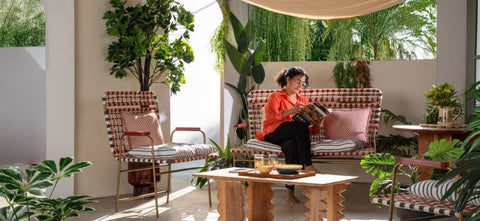
Fabric sofas feel warmer, softer, and genuinely more inviting. They’re the sofa you want to curl up on with a book and a chai. Leather sofas typically offer a structured and refined seating experience, making them a popular choice for modern and formal interiors. Fabric sofas, on the other hand, are often preferred for their soft, cozy feel and ability to create a relaxed, welcoming atmosphere in family living spaces.
For many Indian households, the living room serves multiple purposes—from long conversations and evening tea to weekend movie nights, family gatherings, and festive celebrations. This is one reason fabric sofas remain a popular choice, as they combine comfort, versatility, and a homely feel that suits everyday living.
4. Design Range & Self-Expression
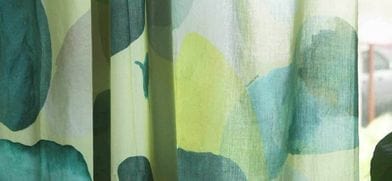
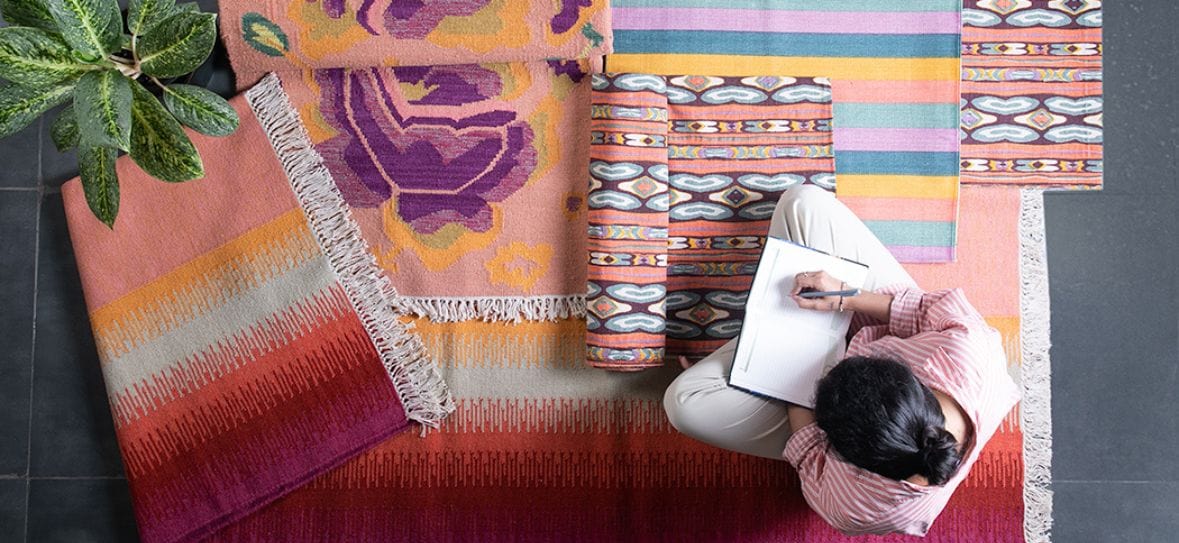
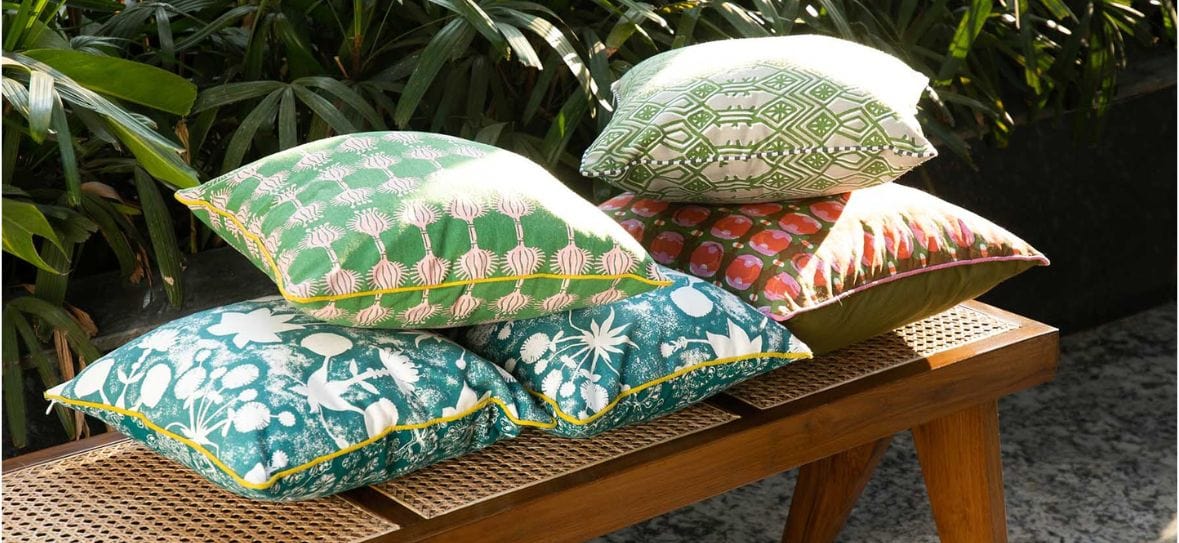
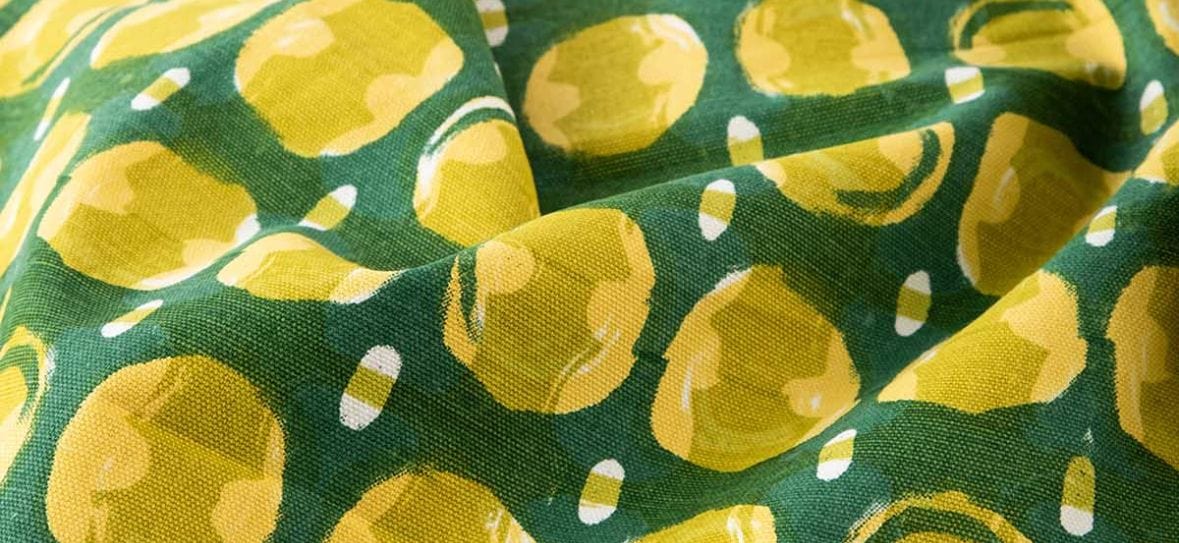
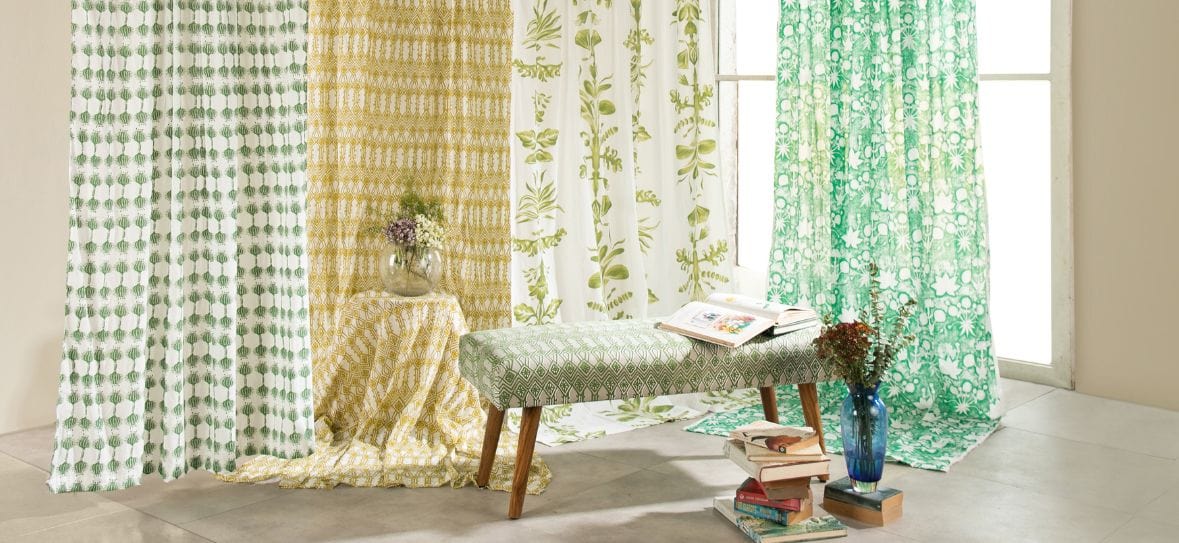
This is where fabric runs away with the comparison. Leather offers tones tan, cognac, brown, black, occasionally a deep oxblood or grey. Beautiful in their own way, but limited. Fabric offers everything: solids, textures, stripes, abstracts, florals, narrative prints, geometric prints, weaves, velvets, linens, jutes, and mixes of all of them. It carries the colour, story, and mood of the room in a way leather simply cannot.
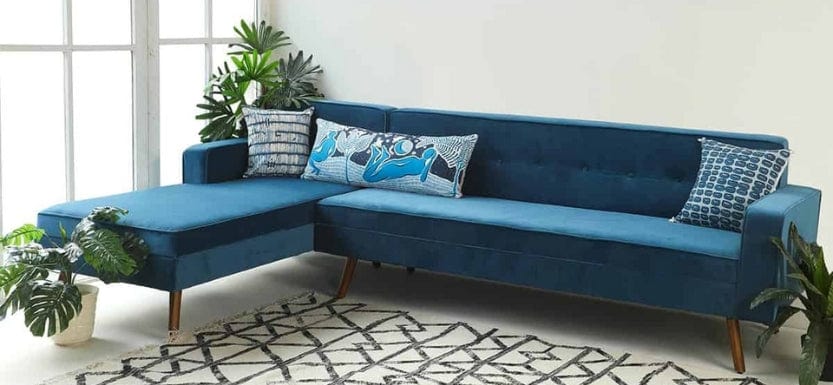
At Freedom Tree, every sofa can be ordered in any fabric from our in-house archive. A Retro Button Down sofa can wear a textured solid, a small geometric print, or a tweed weave. The Nomad Sectional looks beautiful in a vertical stripe or a small-scale botanical. The Retro Chaise Sectional handles textured solids and whimsical narrative prints with equal grace. A small revolution against the idea that furniture has to be standard.
Explore our upholstery fabrics, botanical prints, geometric weaves, narrative motifs, and solid textures, all designed by our studio.
5. Pets, Kids, and the Realities of a Lived-In Home
Leather can show visible marks from pet claws and sharp objects over time, making regular care important in homes with active pets. Fabric, on the other hand, can be vacuumed, brushed, or fitted with removable covers that are washed and returned to looking new. For homes with cats, dogs, or small children, fabric is the more forgiving long-term choice. Dense, performance-grade weaves handle daily wear, spills, and pet life beautifully without the permanent damage leather suffers.


6. Cost & Long-Term Value
A genuine leather sofa typically comes at a higher price point than a comparable fabric sofa, while leatherette offers a more affordable entry option but may have a shorter lifespan depending on usage and maintenance. A well-made fabric sofa, on a solid frame, occupies the smartest middle ground: more affordable upfront, longer to live with, and re-upholsterable when the fabric eventually tires.So when people ask fabric or leather sofa which is the better investment, the honest answer is fabric provided the frame underneath is good wood. Buy the frame for the long term, and the fabric for now. Refresh the fabric in a decade. That’s how good furniture lasts in a home. That’s how design lasts.
Fabric vs Leather Sofa: The Conclusion
After considering comfort, maintenance, design flexibility, cost, and suitability for Indian conditions, fabric sofas remain a popular choice for many Indian households. Their wide range of colours, textures, and patterns, combined with everyday comfort and versatility, makes them well-suited to a variety of lifestyles and interior styles.
That said, leather sofas continue to be valued for their premium appearance, durability, and timeless appeal. They can be an excellent choice for homeowners seeking a sophisticated aesthetic and who are comfortable with the associated care requirements. Ultimately, the decision between fabric and leather comes down to personal preferences, budget, maintenance expectations, and the overall look and feel you want to create in your home. For many Indian families, however, fabric sofas often strike the ideal balance between comfort, practicality, and design flexibility for long-term everyday living.
Choosing the Right Fabric Sofa: A Quiet Guide
If you’ve landed on fabric and we’d gently suggest you should, here's how we’d think about choosing one. The way we’d talk you through it at the Freedom Tree studio:
- Start with the frame solid wood (reclaimed teak, if you can) lasts a generation. Engineered wood is a compromise that shows up in five years.
- Choose your fabric for the room: solid textured weaves for calm, considered rooms; narrative or botanical prints for personality; small-scale geometrics for modern layouts.
- Pick a dense weave for everyday durability performance-grade fabrics handle pets, kids, and daily life beautifully.
- Consider removable cushion covers that extend the sofa’s life and make seasonal refreshes easy.
- Match cushion fill to use high-resilience foam for support, feather-fibre blends for a softer sink.
- Thinking about layout modular or sectional sofas give a small room more options than a fixed three-seater.
Explore our teak wood sofa collection 1-seater to sectional, each fully customisable in any Freedom Tree fabric.
Find the Fabric Sofa That Lives Well in Your Home
The fabric vs leather sofa question has a clear answer now. Kinder to the climate, kinder to your family, kinder to your wallet, and kinder to the room. The sofa that carries your everyday life with warmth, not formality.

- Hanging the mirror too high — a mirror should be at eye level for its primary user, not floating near the ceiling.
- A mirror facing the bed — some find their own reflection at night unsettling; if so, choose a different wall.
- Picking a mirror for shape alone — make sure it reflects something beautiful, not a cluttered corner or a wardrobe door.
- Over-mirroring a small room — one or two well-chosen mirrors do more than a wall full of them.
- Forgetting the lighting — a mirror without good light beside it is just a shape on the wall. Pair with a lamp, sconce, or natural daylight.
Top Bedroom Mirror Design Ideas to Consider for Your Bedroom
From subtle to sculptural, here’s a curated edit of bedroom mirror ideas we keep returning to — each one chosen for the way it makes the room feel like more of itself.
1. An Oversized Mirror Behind the Bed
Skip the framed art and let an oversized mirror anchor the wall above your headboard. The room nearly doubles in perceived depth. Morning light catches it, and the bed becomes the room’s most photographed corner — almost by accident.
2. A Pair of Mirrors Flanking the Bed
Two matching mirrors hung above each bedside lamp create a quiet symmetry. The Mehrab set works beautifully here — same shape, same scale, framing the bed like soft architectural punctuation.
3. The Floor-Leaning Statement Mirror
A tall mirror leaned casually against the wall, reads modern, considered, and lived-in all at once. Lean it slightly back, leave it unhung, and let it become the room’s most charming piece of mostly furniture.
4. A Sculptural Mirror Above the Dressing Table
Place a shaped or illustrated mirror above your vanity — something with personality. Our Eye Candy mirror or The Plump in deep blue turns a functional dressing corner into a small piece of theatre. Add a wall sconce or table lamp, and you’ve made a daily ritual feel like a small luxury.
5. The Gallery Wall — Mirrors with Wall Art
Mix small mirrors with framed prints and illustrated wall art for a curated, collected look. Our wall art archive pairs especially well with arched and circular mirrors. The trick: vary the shapes, keep one tonal thread (gold, dark wood, white) consistent.Browse our mirrors & wall art collection for pieces that layer beautifully on the same wall.
6. The Reflective Niche Above a Bench
A bench at the foot of the bed with a small grouping of mirrors above it transforms an often-overlooked corner. It’s a tiny moment of considered design — the kind of detail people notice but can’t quite name.
7. A Mirror Opposite the Window
Place a mirror on the wall directly across from your bedroom window, and watch the room get brighter, taller, and softer all at once. This is the most quietly transformative of all wall mirror design ideas — and it costs nothing more than a thoughtful placement.
8. A Round or Oval Mirror as a Soft Counterpoint
Bedrooms can lean rectangular bed, a dresser, side tables, all four-cornered. A round or oval mirror introduces a soft curve that calms the whole room. Hang it above a chest of drawers or in a reading nook for a small architectural exhale.
9. The Antique Mirror in a Modern Bedroom
Pair our Morvi mirror — antique-style, distressed frame — with otherwise contemporary furniture. The contrast makes both pieces sing. The mirror becomes the room’s story; the modern pieces become the room’s frame. It’s a quiet rebellion against the staid and the safe.
Where to Place Wall Mirrors in the Bedroom
Placement does more for a mirror than the mirror itself. Same piece, two different walls — two completely different rooms. Here are our favourite spots for thoughtful bedroom mirror design:
Opposite a Window
The most transformative placement. A mirror facing the window catches and redistributes daylight, brightening every corner of the room. Especially powerful in small or north-facing bedrooms.
Above the Dresser or Chest of Drawers
The classic spot — and still the most useful. Choose a mirror about three-quarters the width of the dresser for the most balanced proportion. Hang it 6–10 inches above the top of the furniture.
Above the Headboard
A larger statement mirror, or a curated grouping, can replace traditional wall art above the bed. The result is light, depth, and quiet drama — a bedroom that feels designed, not decorated. Avoid this placement if the mirror would directly reflect the bed (some find it unsettling at night).
Beside or Between Windows
The narrow wall pier between two windows is often wasted space. A tall, slim mirror here continues the architectural rhythm and lifts the eye. Particularly elegant in older homes with generous ceilings.
Behind a Bedside Lamp
A small mirror behind a bedside lamp doubles the warmth of the light and adds a gentle glow at night. A pair of these flanking the bed is one of the most lived-in, romantic looks for a master bedroom.
Inside or Behind the Wardrobe Door
For full-length dressing without sacrificing wall space, fit a tall mirror to the inside of a wardrobe door or to the back of the bedroom door. Functional, invisible, beautifully practical.
Quiet Tips: How to Choose the Right Bedroom Mirror
Choosing the right bedroom mirror is often less about following rules and more about creating balance. At Freedom Tree, we usually begin with proportion. A mirror should feel connected to the wall and furniture around it, complementing the space rather than appearing too small or overwhelming.
Shape also plays a subtle but important role. In rooms filled with clean lines and rectangular furniture, a round or arched mirror can soften the overall look. Conversely, square and rectangular mirrors can bring a sense of structure and definition to spaces that need a little more visual grounding.
The frame finish is where personality begins to emerge. Natural wood adds warmth and texture, while brass and gold introduce a touch of elegance. Black or matte finishes lend a contemporary edge, and painted or illustrated frames can become an expression of individual style.
It's also worth considering what the mirror reflects. The most successful mirrors do more than brighten a room—they frame a view, capture natural light, or highlight a favourite corner of the space. What you see in the reflection can be just as important as the mirror itself.
Finally, restraint often creates the strongest impact. A single well-chosen statement mirror can anchor a bedroom beautifully, bringing focus and character to the room without overwhelming it.
Common Mistakes to Avoid
A few small pitfalls we see often with wall mirror designs for bedrooms — and how to sidestep them:
Find the Mirror That Makes Your Bedroom Brighter
A good mirror doesn’t just hang on the wall. It opens the room, holds the light, and quietly carries a little of the home’s personality. The right bedroom mirror design is the one that earns its place every morning and every evening — the small piece of design you didn’t know you needed.Our mirrors are designed in-house at the Freedom Tree and handcrafted in India — original shapes, named pieces, the work of many heads, hearts, and hands. Mirror on the wall — we hope you find one you want to wake up to.
Frequently Asked Questions
Which is better for Indian homes, a fabric or leather sofa?
For many Indian homes, a fabric sofa is often the preferred choice due to its comfort, versatility, and suitability for everyday living. India's diverse climate from humid summers and monsoons to drier winter months makes breathability and ease of use important considerations. Fabric sofas offer a comfortable seating experience, a wider range of colours and patterns, and are available across various budget segments. They are also well-suited to family spaces that experience regular use, making them a practical and popular option for long-term home furnishing.
Which is more durable, a leather or fabric sofa?
Both fabric and genuine leather can offer long-lasting durability when properly maintained. Fabric sofas are often valued for their ability to be reupholstered and refreshed over time, while genuine leather is known for its premium durability and timeless appeal. Leatherette provides a more affordable alternative, though its lifespan may vary depending on quality, usage, and maintenance.
Are fabric sofas easy to clean and maintain?
Yes and easier than most people assume. Regular vacuuming keeps dust at bay. Spot-cleaning with a mild detergent handles most everyday spills. Removable cushion covers can be machine-washed at home. For heavy stains or deep cleaning, professional upholstery cleaning is straightforward and inexpensive. Choose denser, performance-grade fabrics if your household includes pets or small children.
Is leatherette a good alternative to real leather?
Leatherette can be a suitable option for homeowners looking for a leather-inspired look at a more affordable price point. However, compared to genuine leather and high-quality fabric upholstery, its long-term durability may vary depending on product quality, usage, and maintenance. If budget, comfort, and design flexibility are key priorities, many homeowners also consider fabric sofas as a versatile and value-driven alternative.
Are fabric sofas pet-friendly?
Yes and significantly more pet-friendly. Dense, tight weaves resist pet claws better than loose-weave or velvet fabrics. Performance-grade upholstery is designed to handle daily wear, occasional spills, and pet life. Removable covers make seasonal refreshes easy. Fabric is the far more forgiving long-term choice for homes with pets.
Do fabric sofas come in different styles for modern Indian homes?
Fabric sofas offer the widest design range of any sofa type. From minimal Scandinavian silhouettes to traditional carved Indian frames, from sleek sectionals to sculptural curved sofas, every style is available in fabric. The choice of fabric solid, textured, printed, woven, narrative lets you shape the personality of the room.
How long does a good fabric sofa last?
A well-made fabric sofa, on a solid wood frame, with good cushion fill and a quality upholstery fabric, comfortably lasts 10–15 years. The frame, if it’s made from solid hardwood like reclaimed teak, can last a generation meaning you can re-upholster the sofa once or twice over its lifetime and effectively own a fresh sofa each time. Buy the frame for the long term, and the fabric for now.


