



















Different Types of Cushions and Cushion Covers for Every Home
@freedomtreehome


TCushions are the quiet workhorses of a well-put-together home. Get them right and a plain sofa suddenly feels considered; get them wrong and even an expensive room looks unfinished. Yet most of us still buy cushions the way we buy last-minute groceries, picking whatever colour catches the eye and hoping it works.
It usually doesn’t, and here’s why. A cushion isn’t one thing. The soft square you toss on the couch, the firm block you sit on during a festival gathering, and the little support you tuck behind your back at your desk are all “cushions”, but they do completely different jobs. Once you understand that, choosing becomes easy.
This guide walks you through the different type of cushions you’ll actually use at home, the different shaped pillows that change how an arrangement feels, the couch cushion types and sofa cushion types worth knowing, plus fillings, foam and fabric. By the end, you’ll know exactly what to buy for each room, and why. Freedom Tree’s cushions and cushion covers collections are built around this same logic, so you can mix and match with confidence.
AWhy the Right Cushion Matters More Than You Think
TThink of cushions as doing three separate jobs: decoration, comfort and support. A decorative throw softens a room visually. A seat cushion carries your body weight day after day. A back support protects your spine during long hours of sitting.
Problems start when one cushion is asked to do a job it wasn’t built for. A soft, feather-light throw makes a lovely accent but collapses the moment you try to sit on it on the floor. A dense foam block is perfect under you on a couch but looks clumsy propped against a headboard. Matching the cushion to its purpose is the whole game.
There’s a practical payoff too. Buying by purpose means you replace things less often, which is kinder to both your budget and the planet. Choosing durable fills and swappable covers, rather than throwaway sets, is one of the simplest ways to cut household textile waste over time.


AWhat Are the Main Types of Cushions Used in Indian Homes?
TLet’s start with placement, because where a cushion lives tells you almost everything about what it should be. These are the everyday couch cushion types and functional pieces you’ll come across most.
T1. Throw cushion
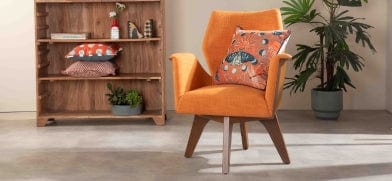
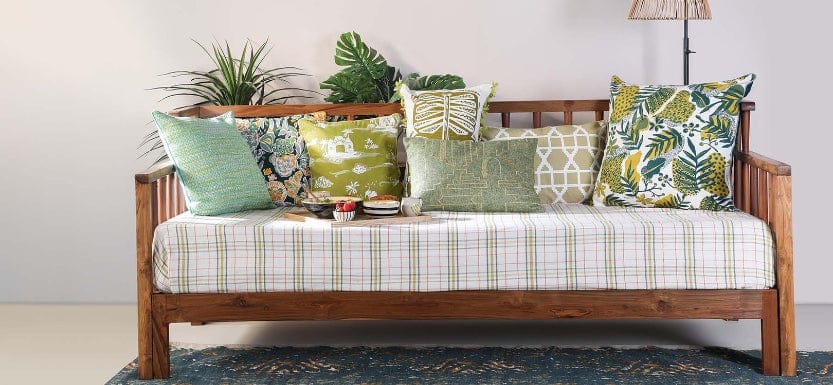
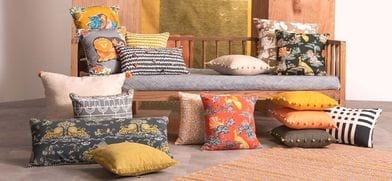
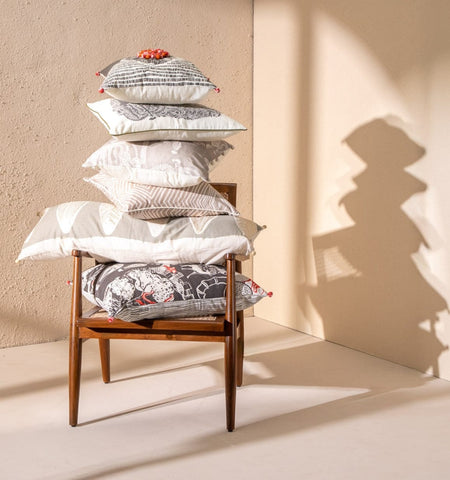
The most familiar of all. Square or rectangular, mainly decorative, and the fastest way to refresh a room’s mood without buying new furniture. Swap four throws on a neutral couch and the whole space shifts.
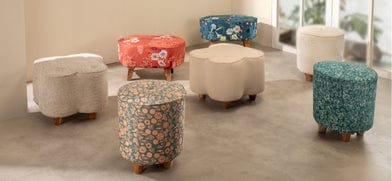
T2. Floor cushion and pouf
Actual seating rather than decoration, so it needs a firm, substantial fill to hold shape under body weight. Brilliant for low-seating setups, reading nooks, kids’ corners and extra seating during gatherings.
T3. Lumbar cushion
A small, firm support placed at the lower back to hold the spine’s natural inward curve. Genuinely useful on deep sofas and office chairs where you tend to slouch.
T4. Bolster cushion
Long and cylindrical, usually 60 to 90 cm. It closes off the ends of a couch neatly and adds a leaning support on beds and daybeds.
T5. Outdoor cushion
Made with UV-treated, water-repellent fabric and quick-dry fill so it survives balconies and monsoon damp that would ruin an indoor cushion.

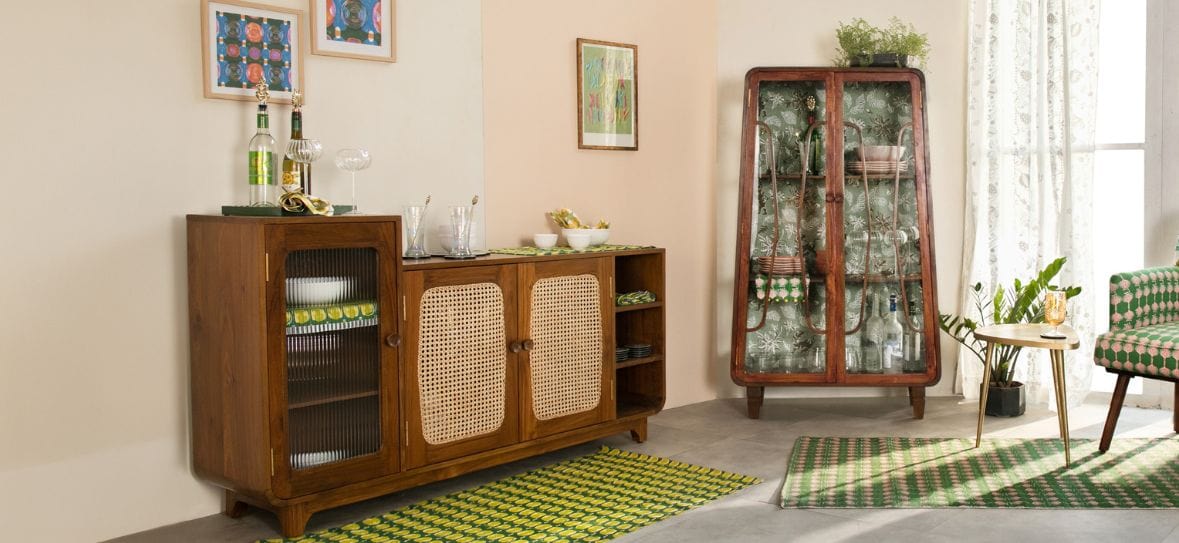
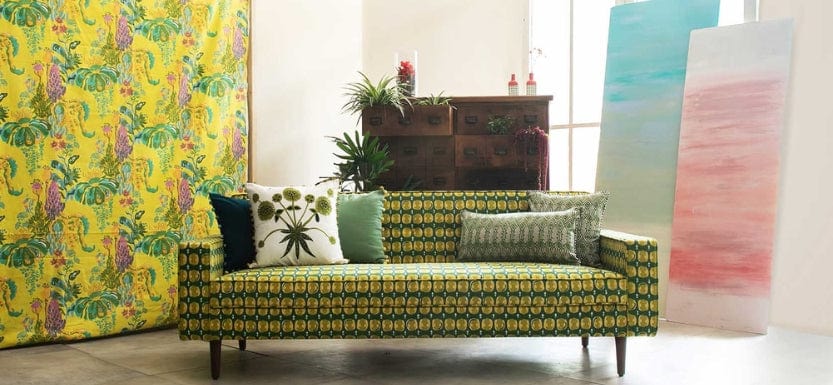
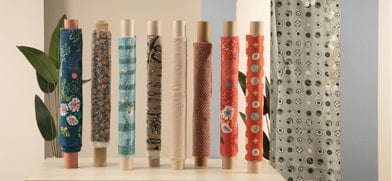
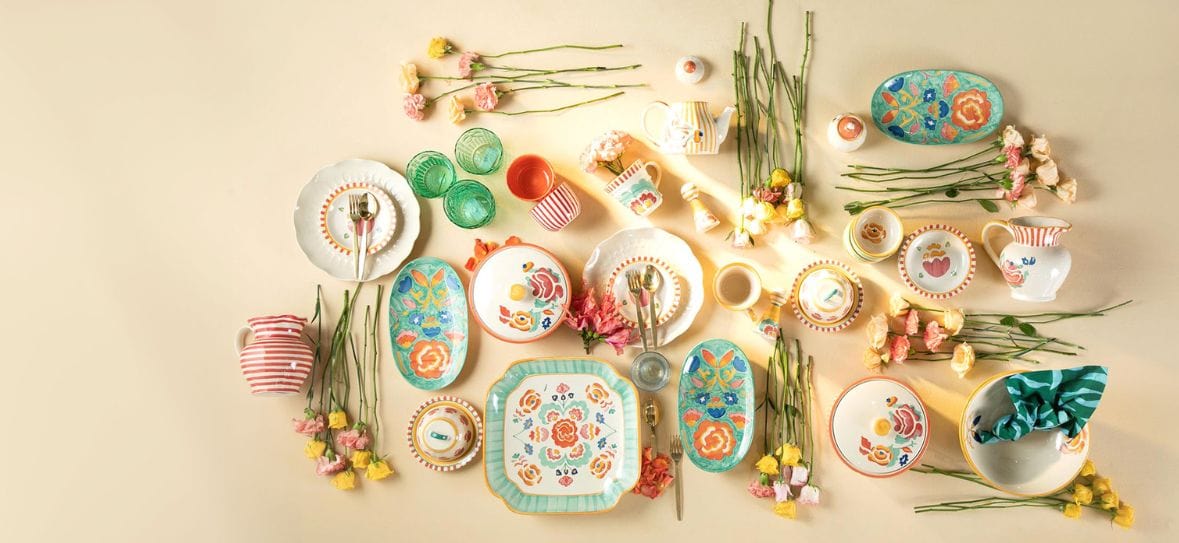
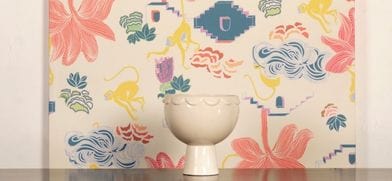
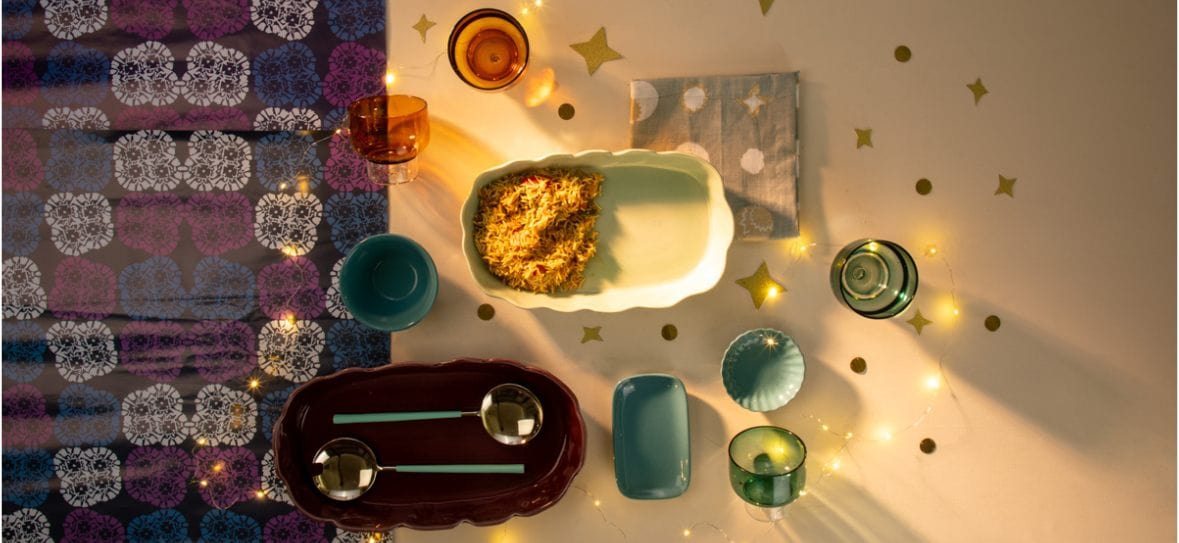
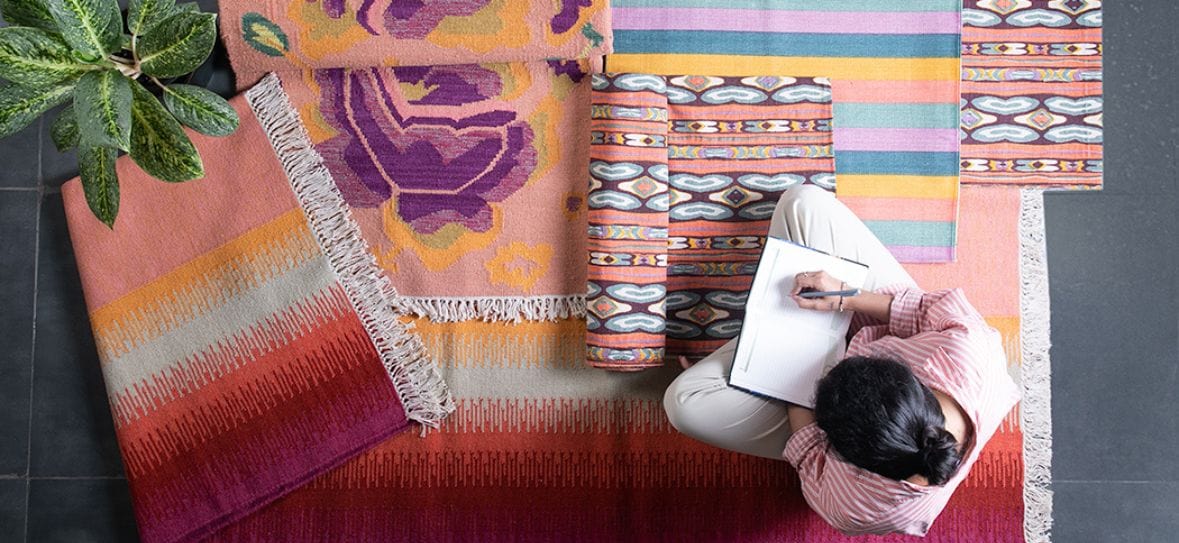
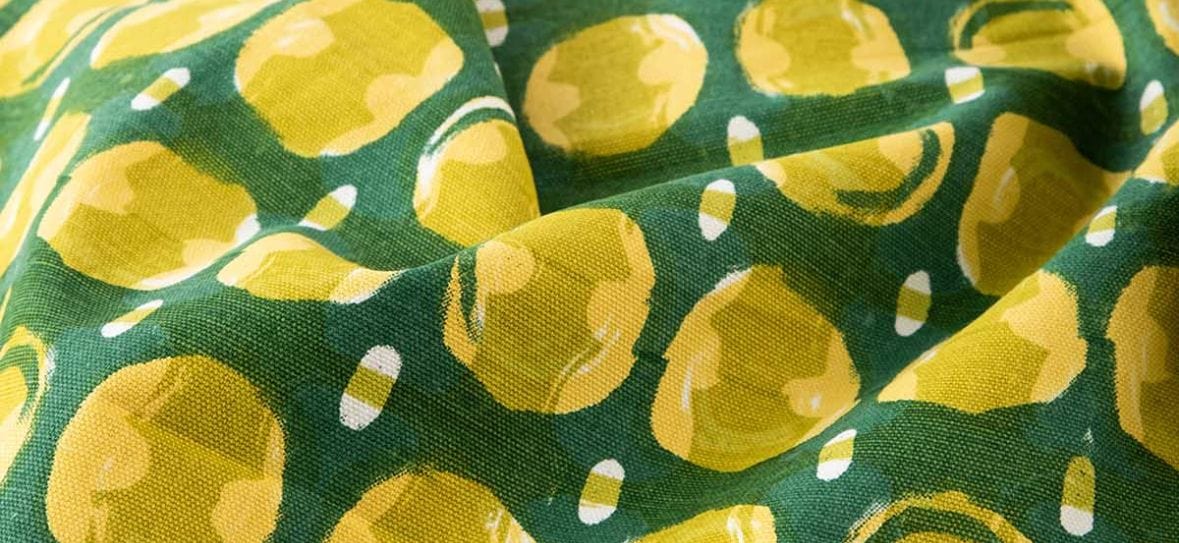
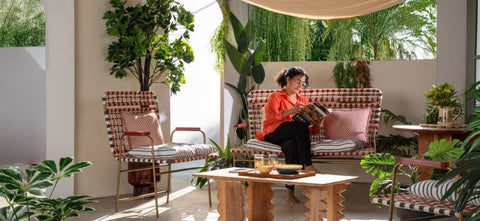
Behind the scene set up.

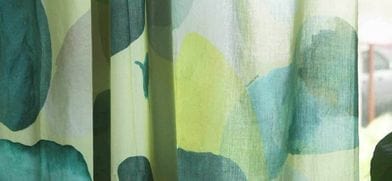
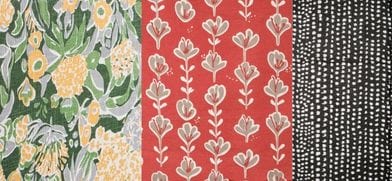
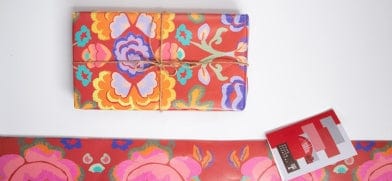
The landscape which is the color inspiration.
TWhen people ask about couch cushion types, they usually mean this mix of throws, bolsters and lumbar supports working together. Understanding these couch cushion types first makes every other decision simpler, because you know the job before you shop. Knowing the right type of cushions for each spot saves you money and frustration down the line.
ADifferent Shaped Pillows and Where Each One Belongs
TShape is the part most people overlook, and it’s where different shaped pillows earn their keep. The shape decides how an arrangement reads, not just how a single cushion looks.
Here’s a quick comparison of the different shaped pillows worth knowing:
| Shape | Typical size | What it does | Works best |
|---|---|---|---|
| Square | 40x40 to 50x50 cm | The foundation everything else builds on | Couch back, bed backdrop |
| Rectangular / lumbar | 30x50 cm | Adds depth and back support | Front layer on sofas, chairs |
| Round / sphere | 40 cm | Breaks up sharp corners, softens the look | Kids’ rooms, accent layering |
| Bolster | 60x90 cm | Structural closure and leaning support | Sofa ends, daybeds, beds |
| Knot / sculptural | Varies | Pure statement piece | Accent chairs, neutral rooms |
TThe trick with different shaped pillows is contrast. An arrangement made only of squares looks rigid and boxy. Introduce one round cushion or a bolster and the eye relaxes. This is also why designers rarely use identical different shaped pillows in a row; a little variety in form reads as intentional rather than accidental.
ATypes of Cushions for Bed: Layering Made Simple
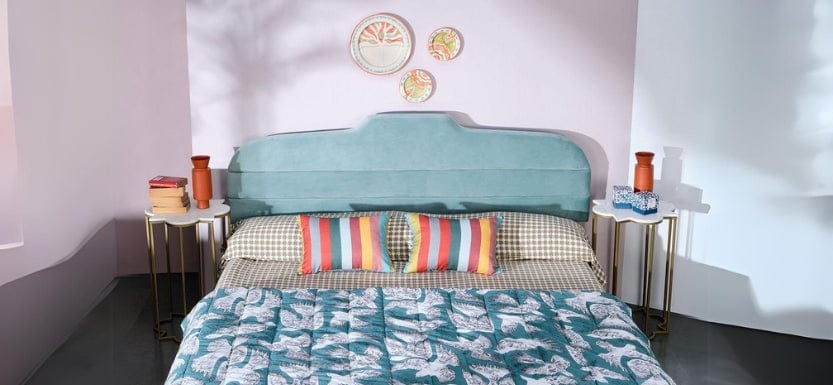
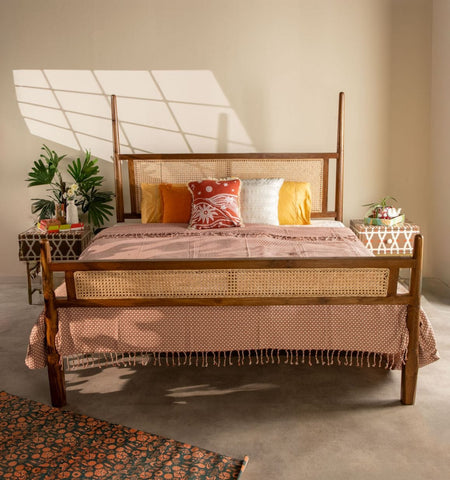
TBeds follow a slightly different logic to sofas. The goal is depth, so you build from big and structured at the back to small and soft at the front. The main types of cushions for bed are Euro shams, standard pillows, decorative throws and bolsters.
A reliable formula on a queen or king bed: two large Euro shams (around 65x65 cm) standing at the back, two standard sleeping pillows in front, then a pair of decorative throws, and finally a single bolster or lumbar cushion resting at the front. That layered look is one of the easiest types of cushions for bed styling wins you can pull off in under a minute each morning.
Keep function in mind too. The cushions you actually sleep on should suit your comfort, while the decorative types of cushions for bed can be firmer or more textured since they mostly get moved aside at night.

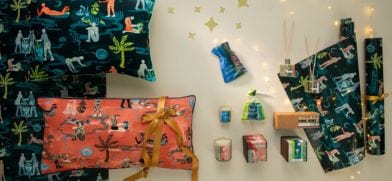
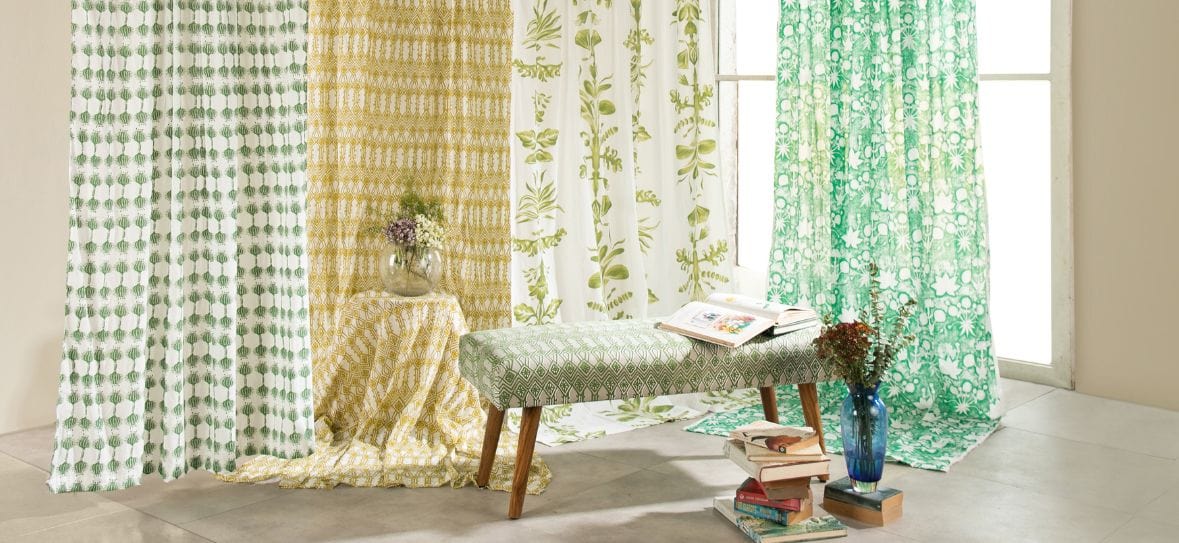
Behind the scene set up.

The landscape which is the color inspiration.
AWhat Goes Inside? Cushion Fillings and Foam Options
TThe fill decides how long a cushion lasts and what it feels like. Two cushions can look identical and behave completely differently depending on what’s stuffed inside.
For decorative pieces, the common fills are polyester fibre (affordable but flattens within months without fluffing), microfibre or down-alternative (soft, plush, hypoallergenic), and natural down and feather (the plushest feel, though pricey and unsuitable for allergy sufferers). For firm floor seating, buckwheat hulls hold shape well and stay cooler than foam.
Seat cushions are where foam matters most, and this is the part worth slowing down on. The two terms you’ll hear are HD (high density) and HR (high resilience) foam, and they measure different things. Density is about weight and longevity; resilience is about how the foam responds when you sit. According to upholstery specialists, HD foam gives a firm, uniform push-back, while HR foam offers a softer initial give with firm support underneath, and tends to resist flattening longer (CushionFoamz; Theater Seat Store).
THere’s a simple foam comparison:
| Foam type | Feel | Best for | Lifespan (regular use) |
|---|---|---|---|
| HD (high density) PU foam | Firm, even support | Sofa seats, structural cushions | 7-10 years at 40+ kg/m³ |
| HR (high resilience) foam | Soft give, firm base | Premium seating, sectionals | 8-12 years |
| Memory foam | Slow contour, warm | Lumbar and car cushions | Several years |
| Polyester fibre | Soft, needs fluffing | Decorative throws | 6-12 months of loft |
TA useful benchmark for sofa seats: below 35 kg/m³ density, sagging often starts within two years; above 45 kg/m³, the cushion holds for the better part of a decade. Reputable retailers will share these figures. If a seller can’t tell you the density, treat that as a quiet warning.
AWhich Types of Cushion Cover Suit Your Room?
TNow the fun part. The fill is the infrastructure; the cover is the personality. The same cushion can read formal or casual depending entirely on its fabric, which is why the choice of types of cushion cover deserves real thought.
Different types of cushion cover fabrics send different signals, and each has practical trade-offs worth weighing before you buy:
| Fabric | Feel it creates | Care level | Best season / room |
|---|---|---|---|
| Cotton | Everyday, breathable | Easy, machine-wash | Summer, family rooms |
| Linen | Relaxed, understated | Moderate, creases | Warm months, living areas |
| Velvet | Rich, formal, cosy | Higher maintenance | Winter, formal lounges |
| Silk | Luxurious, delicate | Dry-clean, precious | Accent pieces only |
| Jute / canvas | Earthy, textured | Sturdy, low-fuss | Outdoor-style, casual |
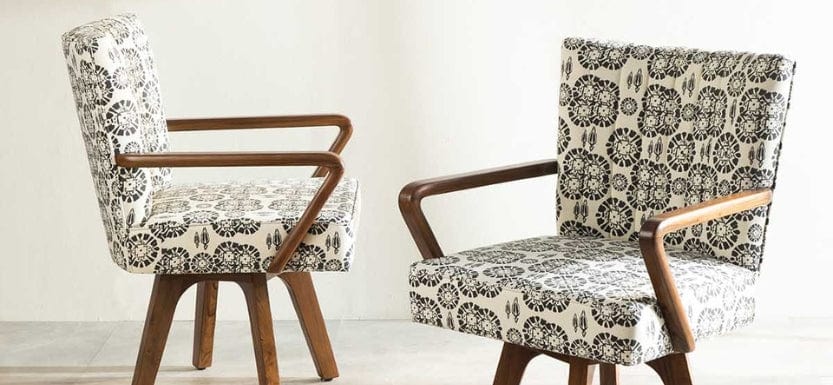
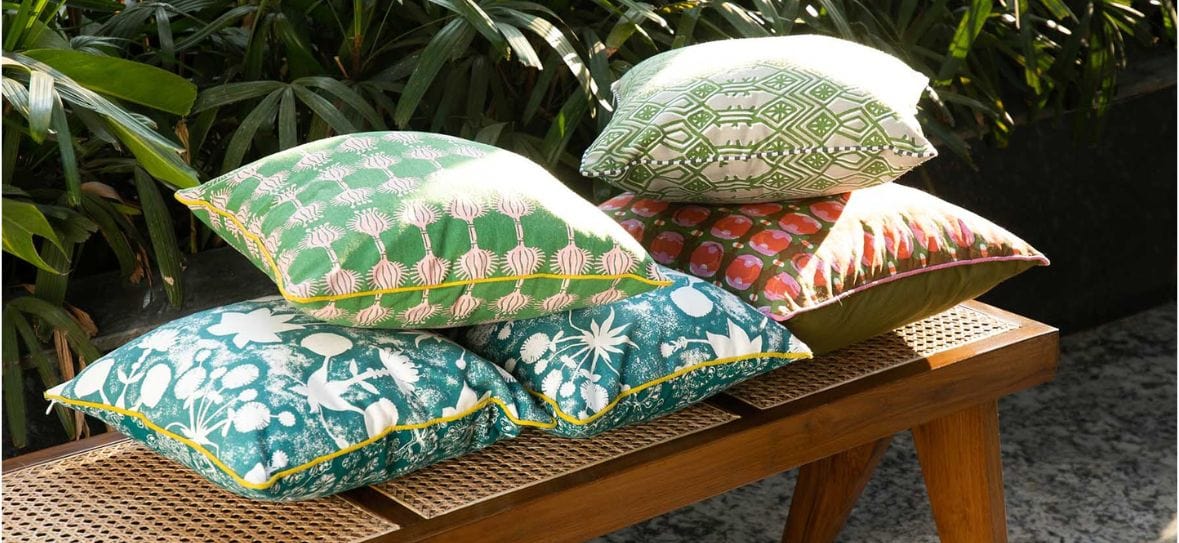
TThere’s a smart, sustainable habit hiding here. Buy inserts and covers separately. It costs a little more upfront, but it lets you rotate different types of cushion cover styles by season without throwing away a single insert, which The Spruce notes is one of the easiest low-cost ways to redecorate. Heavier types of cushion cover fabrics like velvet suit winter; breathable cotton and linen suit our long summers.
When shopping cushion covers, checking the fabric’s rub-count and weave tells you how it’ll hold up to daily handling, useful if you have children or pets at home.


AHow to Choose Cushions Room by Room
AA quick, practical selection guide you can use straight away:
A1. Living room
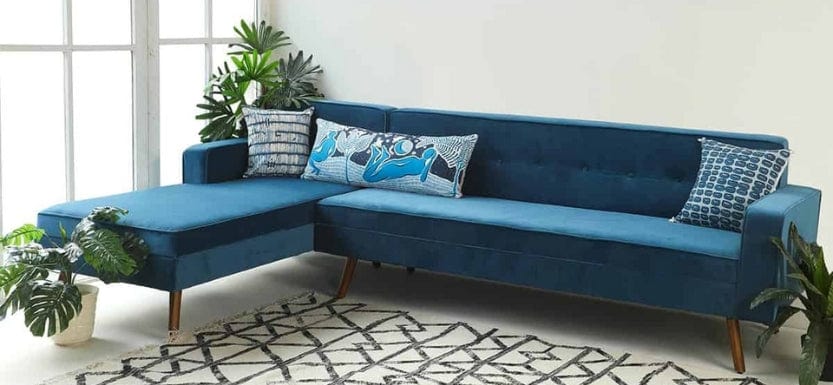
Start with two square cushions per couch as your base, add one rectangular for depth, and finish with a round or knot accent. This covers the core sofa cushion types most rooms need.
2. Bedroom
Layer back to front with Euro shams, sleeping pillows and one decorative throw.
3. Study or work corner
Prioritise a firm memory-foam lumbar cushion over decoration.
4. Balcony or garden
Only outdoor-rated cushions; anything else won’t survive one monsoon.
5. Kids’ room
Round shapes, washable cotton covers, forgiving fills.
AGetting the sofa cushion types right is usually the biggest visual upgrade, since the couch is the room’s anchor.
AHow to Style Cushions Like a Designer
AStyling is simpler than it looks once you know the rules the professionals lean on. Design writers at Architectural Digest India often point to a few reliable moves.


AA few styling tips worth keeping:
1. Work in odd numbers. When you’re layering sofa cushion types, three or five cushions almost always looks better balanced than four.
2. Vary the size. Big at the back, smaller in front, creating depth.
3. Mix textures, limit colours. Two or three colours plus varied fabrics reads rich, not chaotic.
4. Karate-chop the plush ones. A gentle dent at the top of down or microfibre cushions gives that styled, hotel-lobby look.
5. Repeat one colour across the room. Echo a cushion shade in a rug or curtain to tie everything together.
Quick buying tips before you check out: confirm the foam density for anything you’ll sit on, buy covers and inserts separately, match fill to purpose rather than price, and choose breathable fabrics for our climate. Freedom Tree’s home decor and living room collections make it easy to coordinate cushions with the rest of your space.
ABringing It All Together
ACushions reward a little thought. Whatever type of cushions you’re choosing, decide the job first, whether it’s decoration, seating or support, then pick the shape, the fill and finally the cover in that order. Do that and every cushion in your home starts pulling its weight instead of just filling space.
Start small if you like: refresh one couch with a fresh set of covers, or add a proper lumbar cushion to your work chair. You’ll feel the difference quickly, and it makes the next choice easier. Browse Freedom Tree’s cushions, cushion covers and bedroom collections when you’re ready to build a look that’s genuinely yours.


AFrequently Asked Questions
A1. How to style 5 cushions on a sofa?
Work from the outside in and keep it symmetrical. Place two larger square cushions (around 50x50 cm) at the outer corners as your base, then two slightly smaller or contrasting squares just in front of them. Finish with a single rectangular or bolster cushion in the centre. Vary the textures, stick to two or three colours, and give the plush ones a light karate-chop dent on top for that effortless, styled finish.
2. Which foam is better, HR or HD?
It depends on the feel you want. HD (high density) foam gives firm, even support and is dependable for structural sofa seats. HR (high resilience) foam offers a softer initial give with firm support underneath, feels more premium, and generally resists flattening longer. For most quality seating, HR foam is the more comfortable long-term choice, while HD foam remains excellent value where firmness and structure matter most.
3. Which fabric is best for cushions?
There’s no single winner; it depends on the room and climate. Cotton and linen are the most practical for Indian summers because they’re breathable and easy to wash. Velvet suits cooler months and formal spaces. Silk works for occasional accent cushions. For high-use family homes, a tightly woven cotton with a good rub-count gives the best balance of comfort and durability.
4. What are the different types of cushion foam?
The common options are high-density (HD) PU foam for firm structural support, high-resilience (HR) foam for durable premium seating, memory foam for contouring lumbar and car cushions, and softer comfort foams often layered on top for a plush surface. Each differs in density, feel and lifespan, so the right one depends on whether the cushion is for sitting on or leaning against.
5. What are the different shapes of cushions?
The main shapes are square (the versatile foundation), rectangular or lumbar (for depth and back support), round or sphere (to soften sharp lines), bolster (long and cylindrical, for structural closure and leaning), and sculptural knot cushions (pure statement pieces). Mixing a few shapes rather than repeating one creates a more balanced, intentional arrangement.
AReferences & Citations
ArchDaily — fabric as a design/textile element in interiors:
Forest Stewardship Council (FSC) — responsibly sourced fibres / sustainable textiles:
Woodworking Network — upholstery foam standards and quality:


